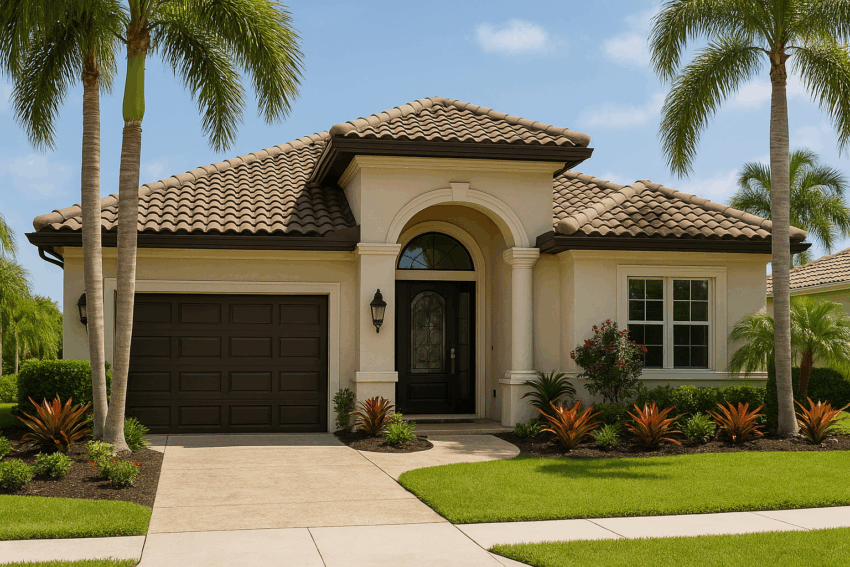
Given the state’s unique risks, such as hurricanes, flooding, and high property values, finding the right home insurance policy is critical for Florida homeowners. Accurate Florida home insurance quotes are essential to ensure you get the right coverage for your needs. Even better, you will get the best price. Getting an online quote can be quick and convenient, as long as you know what to expect and what information to provide. This article will guide you through the key factors that affect your quote, what details you’ll need to gather, and how to effectively compare quotes from multiple Florida insurers online.
Understanding the Factors That Affect Your Florida Home Insurance Quote
The cost and accuracy of your Florida home insurance quote depend on various factors. One of the most significant is the location of your home. Properties in coastal areas, for example, are likely to have higher premiums due to the increased risk of hurricane and flood damage. Local crime rates and proximity to fire stations also play a part in determining your rate.
Another critical factor is the age and condition of your home. Older homes or those with outdated electrical, plumbing, or roofing systems may be more expensive to insure because they are considered higher risks for damage and claims. Additionally, insurers evaluate the building materials used, the square footage, and whether the homeowner has updated their home to meet current building codes.
Lastly, your personal insurance history and claims record will influence your quotes. Insurers assess whether you’ve made frequent claims in the past, and if so, may view you as a higher risk. Your chosen coverage limits, deductibles, and any add-on protections (like flood or windstorm coverage) will also impact your premium. Understanding these factors helps you make informed decisions when seeking an insurance quote.
Gathering Essential Information for Your Quote
To receive an accurate Florida home insurance quote online, you must provide detailed information about your property. Start with the basics: your home’s address, year built, square footage, and the number of bedrooms and bathrooms. This information helps insurers assess your property’s replacement cost and risk profile.
Next, be prepared to answer questions about your home’s construction and condition. Insurers typically ask about the type of roof (material and age), foundation, exterior walls, and recent upgrades or renovations. If you have installed safety features such as hurricane shutters or a security system, make note of these, as they can often lead to discounts.
Don’t forget to gather information about your personal insurance history. This data must include any previous claims, your current policy (if you have one), and how long you’ve lived at your current address. Providing thorough, honest details ensures that the quotes you receive online will be as accurate and tailored as possible, helping you avoid surprises later in the process.
Comparing Companies Using Multiple Florida Insurance Quotes Online
Once you’ve collected all essential information, it’s important to compare quotes from several different insurance providers. Start using a reputable comparison website, which allows you to enter your details once and receive multiple quotes. This tactic saves time and helps you see the options available on the Florida market.
While reviewing quotes, pay close attention to the coverage details, not just the price. Check the policy limits, deductibles, and any exclusions for perils such as windstorms and floods, which are especially relevant in Florida. Some policies may offer lower premiums but less comprehensive coverage, so make sure you’re comparing apples to apples.
Finally, consider each insurer’s financial strength and customer service reputation. Research reviews and ratings from independent agencies to ensure the company will be reliable in the event of a claim. By comparing quotes and providers, you can confidently choose the best home insurance policy to protect your Florida home.
Conclusion
Obtaining accurate Florida home insurance quotes online doesn’t have to be a daunting task. You can secure comprehensive coverage at a fair price by understanding the factors influencing your premium, gathering all necessary information, and diligently comparing offers from multiple insurers. With some preparation and attention to detail, you’ll be well-equipped to make an informed decision that safeguards your home and provides peace of mind.
Accepting suggestion